
Vitamins
Vitamin D Deficiency Symptoms in Women: Causes, Dosage & Benefits
Vitamin D deficiency symptoms in women — causes, the right dosage, benefits and the best forms of vitamin D3.
Read the guide →
Vitamin B12 keeps your nerves and red blood cells healthy, and it is essential for energy and memory. The body cannot make it — it must come from animal foods or supplements. Deficiency develops slowly and is often missed, especially in older adults and in people who eat little or no animal food. The signs can be subtle at first: tiredness, tingling in the hands and feet, a sore tongue, or memory problems that get blamed on ageing. This guide explains vitamin B12 deficiency symptoms in women, the best vitamin B12 dosage for adults over 60, the difference between methylcobalamin and cyanocobalamin, and how deficiency is diagnosed and treated — so you can spot it early, when it is easiest to fix.
Vitamin B12, also called cobalamin, has two main jobs. First, it helps make red blood cells: without enough B12, the red cells your body produces become large, fragile and inefficient, so less oxygen reaches your tissues. That is why tiredness, weakness and pale skin are classic signs of deficiency. Second, B12 helps maintain the protective myelin sheath around nerves, which is why deficiency can cause tingling, numbness and balance problems.
B12 also works together with folate (vitamin B9) in the production of DNA and in keeping homocysteine — an amino acid linked with heart health — within a normal range. It supports memory and mood, and low levels are associated with memory problems and confusion in older adults. This is important because B12 deficiency is sometimes mistaken for dementia, yet it is one of the few causes of memory problems that can be treated simply and cheaply. A blood test can rule it out, and that is worth doing before assuming memory changes are just age.
Most adults need about 2.4 mcg of vitamin B12 per day, an amount that is easy to get from food if you eat animal products. But for adults over 60, the question is not how much B12 is in the diet — it is how much the body absorbs. With age, the stomach produces less acid and less intrinsic factor, the protein needed to absorb B12 from food. The result is that many older adults become deficient even with a normal diet.
For this reason, health authorities advise adults over 50 to get most of their B12 from fortified foods or supplements, where the vitamin is in its free form and easier to absorb. A daily supplement of 25–100 mcg is a common maintenance dose for older adults, and treatment doses are much higher — typically 1,000 mcg daily. B12 has no established upper limit, because the body excretes what it does not use, so high doses are generally safe. If you are over 60 and feel tired, have tingling, or notice memory changes, ask your doctor for a B12 blood test rather than guessing.

The early signs of vitamin B12 deficiency are easy to miss because they develop gradually over months or years. The body stores B12 in the liver, so it can take two to five years of low intake before stores run out and symptoms appear. The classic early signs are tiredness and weakness, pale skin, tingling or numbness in the hands and feet, a sore red tongue, mouth ulcers, shortness of breath and dizziness. Vitamin B12 deficiency symptoms in women are easy to overlook, because tiredness and low mood are often blamed on stress or hormones rather than on a deficiency that a simple blood test can detect.
Later signs can include memory problems, difficulty concentrating, low mood, irritability and balance problems. In severe cases, nerve damage can become permanent if deficiency goes untreated for too long — which is why early detection matters so much. One warning sign worth knowing: a smooth, sore tongue and a loss of taste are quite characteristic of B12 deficiency, and they often appear before the more serious nerve symptoms. If you notice several of these signs together, especially if you are vegan, vegetarian, over 60, or take stomach-acid medicine, ask for a blood test.
Diet is the best-known cause — vegans and vegetarians who do not supplement are at high risk, because B12 is not found in plant foods in useful amounts. But many people with deficiency eat meat. The commonest cause in older adults is reduced absorption: the stomach makes less acid with age, and acid is needed to release B12 from food. A condition called atrophic gastritis, and the autoimmune condition pernicious anaemia, in which the body attacks the cells that make intrinsic factor, both cause poor absorption.
Surgery also matters. People who have had stomach or bowel surgery, including weight-loss surgery, often absorb B12 poorly for life and need regular monitoring. Medicines are another cause: metformin, used for type 2 diabetes, and long-term stomach-acid medicines called proton pump inhibitors (PPIs) both reduce B12 absorption. Heavy alcohol use and some gut conditions, such as Crohn's disease and coeliac disease, can also lower levels. If any of these apply to you, a B12 test is worth discussing with your doctor even if you feel well.
The methylcobalamin vs cyanocobalamin question comes up in almost every discussion of B12 supplements. Cyanocobalamin is the most studied and most widely used form: it is stable, affordable, and the body converts it into the active forms it needs. Methylcobalamin is one of the active forms itself, and it is often marketed as better absorbed or more natural. In practice, both forms work well for correcting deficiency, and there is no strong evidence that one is clearly better than the other for most people.
There are two other forms worth knowing: adenosylcobalamin, the other active form, and hydroxocobalamin, which is often used for injections. For most people choosing a supplement, the form matters less than the dose and consistency. A 1,000 mcg tablet of cyanocobalamin taken daily is a proven, inexpensive way to restore levels. If you prefer methylcobalamin, that is fine too — just check that the dose is adequate. Sublingual tablets that dissolve under the tongue are popular, but standard swallowed tablets work just as well for most people.
Diagnosis starts with a blood test measuring serum B12, usually combined with a full blood count. A low B12 level with large red blood cells strongly suggests deficiency. Sometimes the result is borderline, and the doctor may order extra tests — methylmalonic acid or homocysteine — which rise when B12 is low, to confirm the diagnosis. These extra tests are useful because a single B12 number does not always tell the whole story.
Treatment depends on the cause and severity. Deficiency is usually treated with high-dose oral B12 — 1,000 mcg daily — which works well even when absorption is reduced, because a small amount is absorbed passively without intrinsic factor. In severe cases, when absorption is very poor, or when nerve symptoms are present, doctors prescribe B12 injections. Treatment is safe and effective, and blood counts usually improve within weeks, but nerve damage from long-term deficiency may not fully reverse — another reason to catch it early. Once levels are restored, most people continue a maintenance dose for life if the underlying cause, such as pernicious anaemia or vegan diet, is permanent.
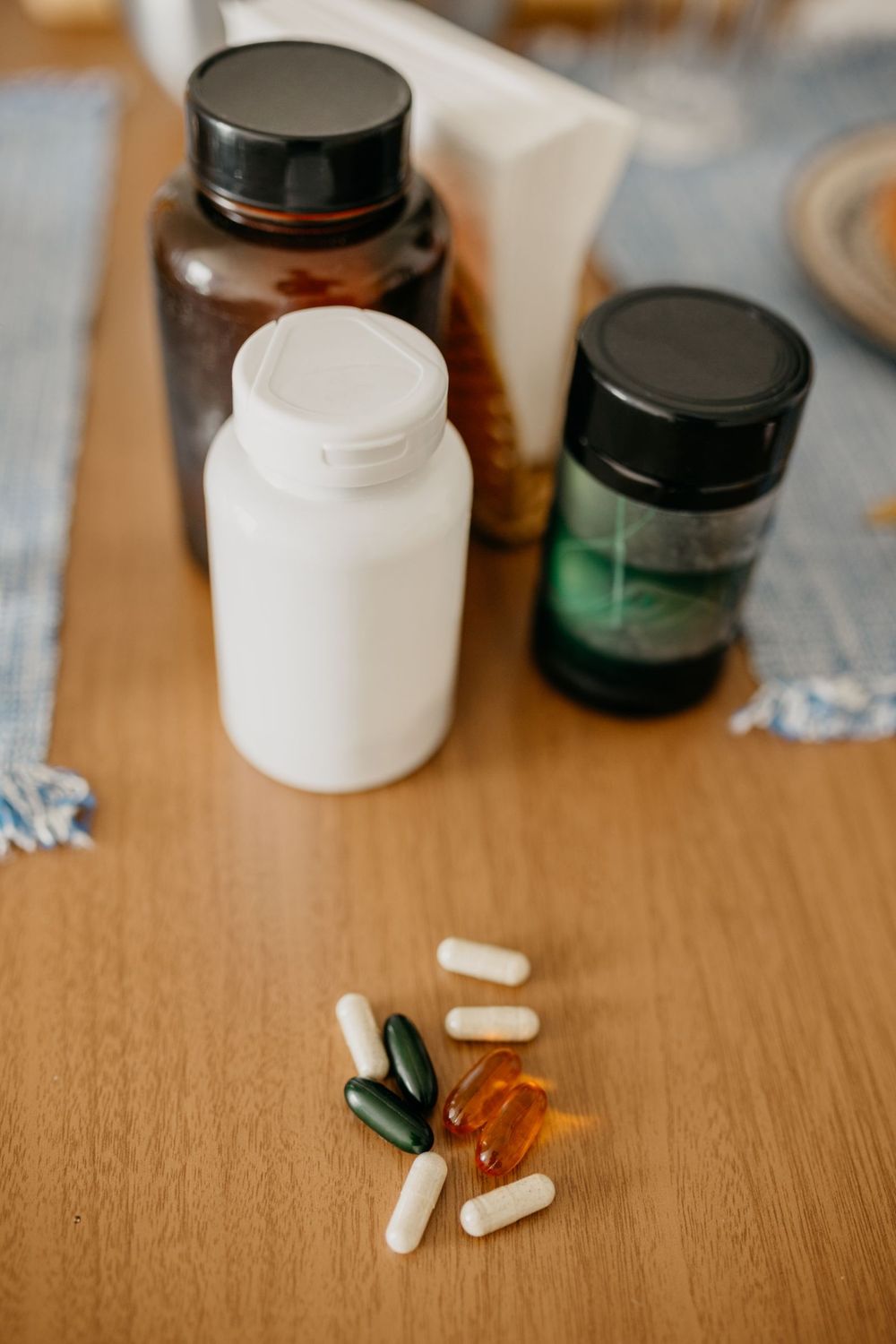
Vitamin B12 for vegans and vegetarians is not optional: because B12 is not found in plant foods in useful amounts, anyone who eats no animal products needs a reliable supplement or fortified foods. Nutritional yeast, plant milks and breakfast cereals are often fortified with B12, but the amounts vary and are often small, so fortified foods alone may not be enough — a supplement is the safer choice.
A daily supplement of 25–100 mcg, or a larger dose of 1,000 mcg two to three times a week, both work well, because the body absorbs a smaller percentage of a large dose. Vegetarians who eat dairy and eggs get some B12, but often not enough, and many still benefit from a supplement. The danger is complacency: because the body stores B12 for years, a new vegan may feel fine for a long time before deficiency appears, and by then nerve damage may already be starting. If you follow a vegan or vegetarian diet, take B12 from day one and have your level checked once a year.
Can vitamin B12 help with tiredness and brain fog? The honest answer is: yes, if the cause is deficiency — and no, if it is not. When tiredness is caused by low B12, treatment usually brings a clear improvement in energy within a few weeks, along with better concentration. But tiredness and brain fog have many causes — poor sleep, stress, low iron, thyroid problems, depression — and B12 will not help if your levels are already normal.
This is why B12 injections and supplements are sometimes marketed as energy boosters for everyone, which is misleading. If your B12 level is normal, extra B12 gives you no extra energy; the excess is simply excreted. The sensible approach is to test first. If you are tired and your B12 is low, treatment is straightforward and effective. If your B12 is normal, look elsewhere for the cause rather than spending money on higher and higher doses. A blood test costs far less than months of unnecessary supplements.
Vitamin B12 has no established upper limit — even large doses are generally safe, because the body excretes what it does not use. This makes it one of the safest supplements available. Mild acne or rash is occasionally reported, and injections can cause soreness at the injection site. Allergic reactions are rare.
One thing to be aware of: high-dose B12 can mask a folate deficiency on blood tests, because it corrects the anaemia that folate deficiency causes, while the nerve damage from low folate continues. This is why doctors often check folate alongside B12. There is also some discussion in research about very high blood B12 levels and certain health risks, but the evidence is not settled and high levels usually reflect supplementation rather than harm. For practical purposes, taking 1,000 mcg daily as recommended by your doctor is considered safe for most adults.

Vegans and vegetarians, adults over 60, people who have had stomach or bowel surgery, and people taking metformin or long-term stomach-acid medicines (PPIs) are at higher risk. Pregnant and breastfeeding women who follow a vegan or vegetarian diet also need to be careful, because B12 deficiency in the mother can affect the baby's development, and breast milk reflects the mother's B12 status.
If you are in one of these groups, ask your doctor for a B12 blood test — ideally before symptoms appear. Regular testing is especially important after stomach or weight-loss surgery, where deficiency can develop silently over years. The test is simple and inexpensive, and treatment is cheap and effective. There is no reason to wait for tingling or memory problems before checking. If you take metformin, mention B12 to your doctor at your next review, because guidelines increasingly recommend periodic testing for people on long-term metformin.
Choosing a B12 supplement is straightforward. First, pick a dose that matches your situation: 25–100 mcg daily for maintenance, or 1,000 mcg daily if you are correcting a deficiency or you absorb poorly. Second, choose a form you will take reliably — standard tablets work well, and sublingual tablets are a good option if you prefer them. The form matters less than the dose.
Third, consider a B-complex if you want B12 together with other B vitamins, but check that the B12 dose is adequate — some B-complex products contain only a small amount. Fourth, buy from a reputable brand and check the label for the dose in micrograms. Avoid products that claim to boost energy for everyone or to treat serious conditions. Finally, take it regularly: B12 works best as a daily habit, and a weekly pill organiser or a phone reminder can help. If your doctor prescribed injections, follow their schedule rather than switching to tablets on your own.

| Product | Form | Dose | Notes |
|---|---|---|---|
| NOW Foods Methyl B-12 1000 mcg — lozenges | Lozenge | 1000 mcg / day | Well-absorbed active form. |
| Nature Made Vitamin B12 500 mcg — cyanocobalamin tablets | Tablet | 500 mcg / day | Common, affordable daily dose. |
| Life Extension BioActive Complete B-Complex | Capsule | 1 / day | B12 plus other B vitamins. |
The products below are real products from well-known brands, shown so you can compare forms and doses. Prices and review scores change often — always check the label and the live price before you buy.
Yes. Low B12 can cause memory problems, confusion and low mood, and it is sometimes mistaken for dementia in older adults. A blood test can rule it out.
Most meat-eaters get enough B12 from food. The exception is older adults, whose stomachs absorb B12 less well — many need a supplement even with a normal diet.
Most adults need 2.4 mcg daily, but older adults absorb B12 poorly, so a supplement of 25–100 mcg daily is common. Deficiency is treated with 1,000 mcg daily or injections.
Both work well for correcting deficiency, and there is no strong evidence that one is clearly better for most people. Cyanocobalamin is the most studied and usually the cheapest option.
Blood counts usually improve within weeks, and energy often improves in a similar timeframe. Nerve symptoms improve more slowly, and damage from long-term deficiency may not fully reverse.
B12 has no established upper limit and excess is excreted, so high doses are generally safe. Mild acne is occasionally reported. Always follow your doctor's advice on dose.
Yes. B12 is not found in plant foods in useful amounts, so vegans need a reliable supplement or fortified foods — ideally from the start, not after deficiency appears.
Vitamin D deficiency symptoms in women — causes, the right dosage, benefits and the best forms of vitamin D3.
Read the guide →
Best vitamin D supplement for women over 50 — 10 products tested on dose, form, testing and value.
Read the guide →
Magnesium glycinate vs citrate for sleep — which form is better absorbed, the right dosage and safety.
Read the guide →